If you’ve been searching for the right therapist as a queer person in India and keep hitting dead ends, please know this – the difficulty isn’t in your head. India has one of the lowest psychologist-to-population ratios in the world, and the subset of clinicians genuinely trained in LGBTQ-affirmative psychotherapy is small. As an LGBTQ psychologist in Gurgaon working with clients across the country, I see this gap up close every week. This blog is about why it exists and, more importantly, how to navigate around it so you actually find someone who can help.
The short version: vetted community directories, specific questions about training, a discovery call before you commit, and openness to online formats are what move you past the surface. Everything else in this article unpacks why those four things matter so much.
The Hidden Scale of the Problem
Most queer Indians I’ve worked with describe a similar pattern – they tried two or three therapists before finding one who actually felt safe. That’s not bad luck. That’s the structure of mental health care in India right now.
A few things to understand. The standard clinical psychology curriculum in most Indian universities still doesn’t include dedicated, mandatory coursework on LGBTQ-affirmative psychotherapy, which directly affects the quality of LGBTQIA+ mental health care available. Many practising therapists in their thirties and forties trained at a time when same-sex relationships were criminalised in India – meaning the textbooks they used often framed queer identities pathologically. Some have done the work to update themselves; many haven’t. And the certifications that exist for affirmative care – like Mariwala Health Initiative’s Queer Affirmative Counselling Practice (QACP) programme – are voluntary, not required.
The result is a system where any RCI-licensed psychologist can technically claim they “work with LGBTQ clients,” but the depth of their actual training varies enormously.
Why “LGBTQ-Friendly” Doesn’t Mean Much By Itself
This is where most online searches go wrong.
The term “LGBTQ-friendly therapist” has become a marketing label. Anyone can put it on their website. Anyone can post a rainbow during Pride month. And without standardised regulation in India around what affirmative practice means, there’s no enforceable line between a therapist who is genuinely trained and one who is just respectful.
In my own practice, I’ve had clients arrive after seeing therapists who never said anything overtly homophobic but slowly steered sessions toward, “Have you considered that your anxiety might be coming from this lifestyle?” or, “Maybe a small heterosexual relationship would help you understand yourself better?” That isn’t affirmation. That’s a therapist whose vocabulary has caught up but whose worldview hasn’t.
Real LGBTQ Affirmative Therapy isn’t tolerance. It’s a clinical framework that treats queer identities as healthy variation, addresses minority stress directly, and shifts the burden of education off the client.
The Five Real Barriers to Finding the Right Therapist
Let me name the specific obstacles, because once you can see them, you can work around them.
- The Training Gap. Most practising Indian psychologists don’t have formal training in LGBTQ-affirmative therapy. Some have done short workshops; very few have ongoing supervision in this area.
- Geographic Concentration. Affirmative therapists are clustered in metro cities – Delhi-NCR, Mumbai, Bangalore, Hyderabad, Chennai, and Pune. If you live in a Tier-2 or Tier-3 city, finding someone locally is genuinely difficult, which is why “LGBTQ therapist near me” searches so often turn up nothing useful.
- Cost. Affirmative therapists tend to charge premium fees, often ₹2,000–₹4,000 per session in major cities. For students, those recently employed, or anyone who can’t ask family for therapy money, this is a real barrier.
- The Trust Deficit. Many queer Indians have either been burned by a previous therapist or know someone who has. That makes the search emotionally exhausting before it even starts.
- Marketing vs Reality. Slick websites, polished bios, and curated Instagram pages don’t tell you who’s actually trained. Some of the most affirmative therapists I know have basic websites. Some of the worst have beautiful ones.
What Affirmative Practice Actually Looks Like in Session
Before I move to the practical “how to find” section, here’s what good affirmative care should feel like once you’re sitting in front of the therapist – physically or on screen.
Your pronouns are asked respectfully, used consistently, and corrected without drama if mistakes happen. Your relationship structure – monogamous, polyamorous, situationship, queerplatonic – is taken at face value. Your gender exploration is treated as your own process, not something the therapist needs to verify or approve. Conversations about family, religion, and culture happen without the therapist projecting their own discomfort onto your story. And critically, when you bring up something the therapist doesn’t know much about, they say so honestly and go learn – they don’t bluff.
That’s the lived experience of LGBTQ-affirmative psychotherapy. Everything else is just branding.

How to Actually Find the Right LGBTQ-Friendly Therapist
Here’s the practical roadmap I share with friends, clients, and anyone who DMs me asking.
Start with community-built directories, not Google. Look at MHI’s QACP directory, Nazariya’s resource lists, The Humsafar Trust’s referrals, and queer mental health collectives on Instagram. These lists are vetted by the community itself.
Filter for specific training. When you read a therapist’s bio, look for actual training credentials – not just “I work with LGBTQ clients.” Look for QACP certification, supervision under named queer clinicians, or coursework in LGBTQ-affirmative psychotherapy.
Always check RCI licensing. In India, this is the basic regulatory standard for clinical psychologists. If a therapist isn’t RCI-licensed, you’re not working with a regulated mental health professional.
Ask the right questions on a discovery call. What’s your specific training in LGBTQ-affirmative therapy? How do you typically work with queer clients? What’s your stance on coming out? Have you supported clients exploring [your specific identity or situation]?
Pay attention to tone, not just content. A good therapist will sound steady, curious, and unafraid of complexity. A concerning one will sound either over-eager or vaguely defensive.
Allow yourself to switch. You’re not stuck with the first person you book. If something feels off after one or two sessions, you’re allowed to move on. Fit matters more than persistence.
How Online Counselling Has Changed the Equation
If there’s one thing that has genuinely shifted access to LGBTQ mental health services in India over the past few years, it’s the rise of online therapy.
Before 2020, finding an affirmative therapist outside a metro often meant either travelling for sessions or settling for someone who wasn’t trained but was geographically close. Now, online LGBTQ counselling lets you work with specialists in Delhi, Bombay, or Bangalore from a small town in Rajasthan, Bihar, or the North-East. LGBTQ therapy online has also made care discreet – you can take sessions from a private room, a parked car, a college hostel.
For clients exploring gender identity specifically, gender identity online counselling adds another layer of safety. You can use a chosen name, keep the camera off when you need to, and end the session quickly if a family member walks in. This is also why “transgender counseling near me” – once a nearly impossible search in most of India – has become genuinely answerable through online formats.
The best online therapy for LGBTQ+ clients now matches in-person care for most concerns: anxiety, depression, identity work, relationship issues, and milder trauma processing. Severe trauma, dissociation, and certain somatic therapies still benefit from in-person work, but for the rest, online is no longer a compromise – it’s often the better choice for queer Indians.
A Note for Trans and Non-Binary Clients
If you’re trans, non-binary, or gender-questioning, please know the bar for your therapist is higher – not because you’re more difficult, but because the harm caused by an untrained therapist in this space is greater.
You deserve someone who understands the WPATH Standards of Care, supports your medical transition decisions without pushing or blocking, doesn’t gatekeep hormone or surgery letters, and treats gender exploration as legitimate clinical work. If you can’t find this locally, please look online. The right care is worth the screen – going without good care, in this area especially, costs more than the inconvenience of waiting.
Why Working With the Best LGBTQ Psychologist in Gurgaon Helps – Even If You Don’t Live in Gurgaon
This is something I want to be direct about. Most queer clients I see at Core Mind Wellness aren’t from Gurgaon. They’re from Lucknow, Jaipur, Bhubaneswar, Indore, Guwahati, Bhopal – all over the country. They reach an LGBTQ psychologist in Gurgaon precisely because online formats removed the geographic constraint.
If you’re searching for the best LGBTQ psychologist in Gurgaon and you live elsewhere, that’s actually fine. Specialists in metro cities often have deeper training simply because they’ve had more queer clients to work with over the years. What matters is fit, training, and accessibility – not postal code.
A Final Word
Finding the right therapist as a queer person in India is harder than it should be. But “harder” doesn’t mean impossible. With community-vetted directories, the right questions, and openness to online formats, you can find someone who genuinely gets it. You don’t have to settle for “friendly” when you deserve “affirming.”
And once you find that person, the actual work becomes much more possible.
About the Author
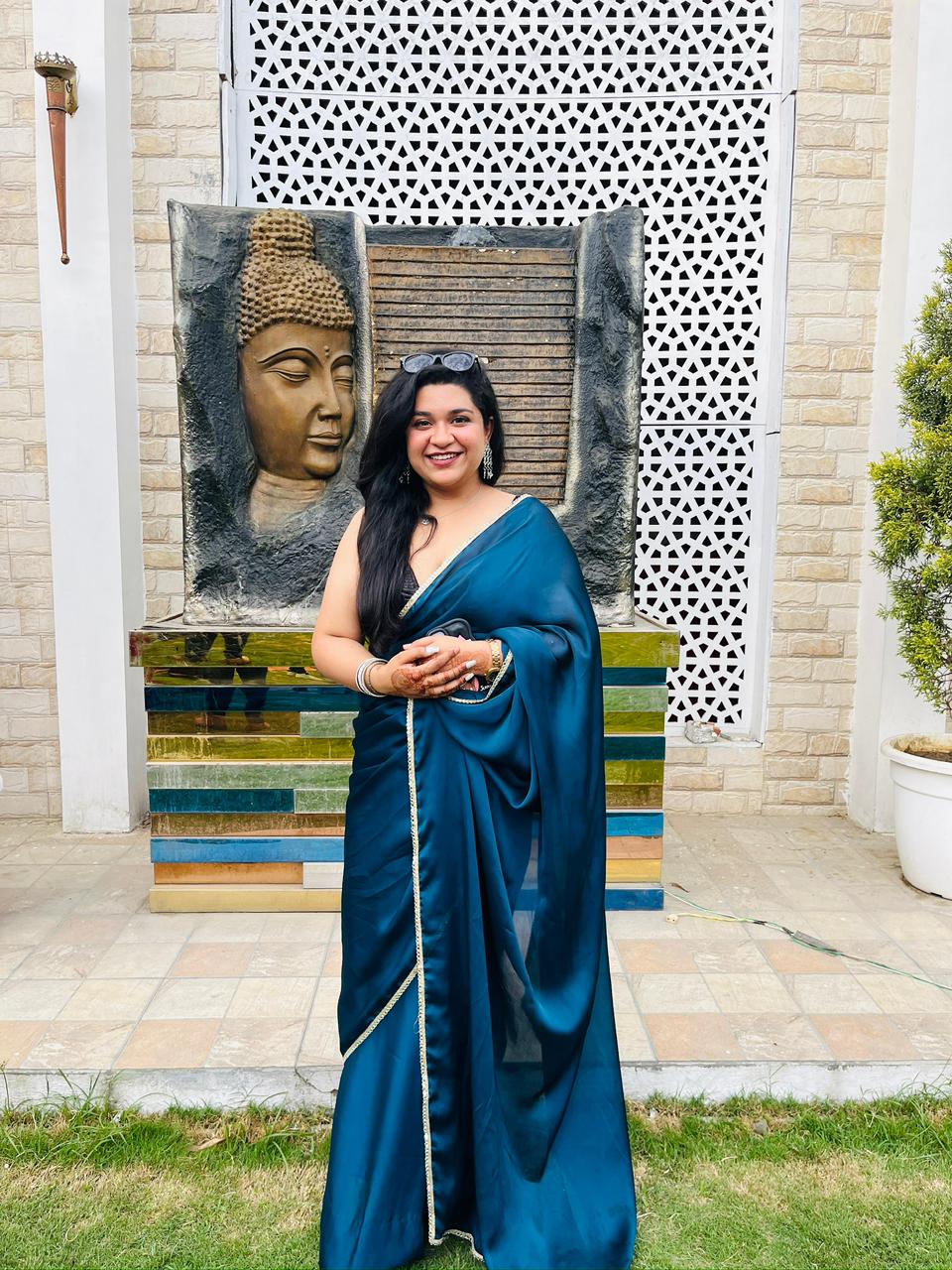
Rishika Vashishtha is the Co-Founder of Core Mind Wellness, a Licensed Clinical Psychologist (A), Psychotherapist, and Psychometrician with 7+ years of experience. She specialises in LGBTQ-affirmative psychotherapy, identity exploration, anxiety, and relationship work, supporting clients across India in person and online.
Ready to find the right fit?
Whether you’re looking for an LGBTQ psychologist in Gurgaon or want to begin online LGBTQ counselling from anywhere in India, the team at Core Mind Wellness is here when you’re ready. Book a session through our contact page. The right care shouldn’t be this hard to find – but it’s worth it when you do.
Frequently Asked Questions
Why is it hard to find a queer-affirmative therapist in India?
India has a low psychologist-to-population ratio overall, and dedicated LGBTQ-affirmative training isn’t yet part of standard clinical psychology curricula. As a result, the pool of properly trained queer-affirmative therapists is small.
How do I know if a therapist is genuinely LGBTQ-affirmative?
Look for specific credentials like QACP certification, supervision under queer clinicians, and explicit mention of LGBTQ-affirmative psychotherapy training – not just “friendly” language or rainbow branding.
Are online therapy options reliable for LGBTQ Indians?
Yes. Online LGBTQ counselling has matured significantly since 2020 and produces comparable outcomes to in-person care for most concerns. It also expands access for those in smaller cities.
What does a good LGBTQ therapist near me actually look like?
Beyond geography, look for explicit affirmative training, RCI licensing, inclusive language, and willingness to take a short discovery call so you can check fit before committing.
Can I do gender identity online counselling if I’m still exploring?
Absolutely. Online gender identity counselling is designed for clients in the exploration stage too – not just those who have already labelled themselves. A good therapist will move at your pace.
How much does affirmative LGBTQ therapy cost in India?
Fees usually range from ₹1,200 to ₹4,000 per session, depending on the therapist’s experience, city, and format. Many practices offer sliding-scale rates – it’s worth asking.
Is what I share confidential, especially in online sessions?
Yes. Therapists are legally and ethically bound to confidentiality, with rare exceptions involving risk to life. For online sessions, a private device and headphones add extra safety.
Where can I find the best LGBTQ psychologist in Gurgaon?
Start with community directories like MHI’s QACP list, check RCI licensing and specific affirmative training, and book a short discovery call to confirm fit before committing.