A Corporate Wellness Workshop by Core Mind Wellness in Goa
In today’s fast-paced professional environment, stress has become a familiar part of everyday life. Deadlines, responsibilities, workplace interactions, changing expectations, and the pressure to perform can sometimes leave us feeling overwhelmed.
While stress and anger are natural human emotions, learning to understand and manage them can help us respond to challenging situations with greater awareness.
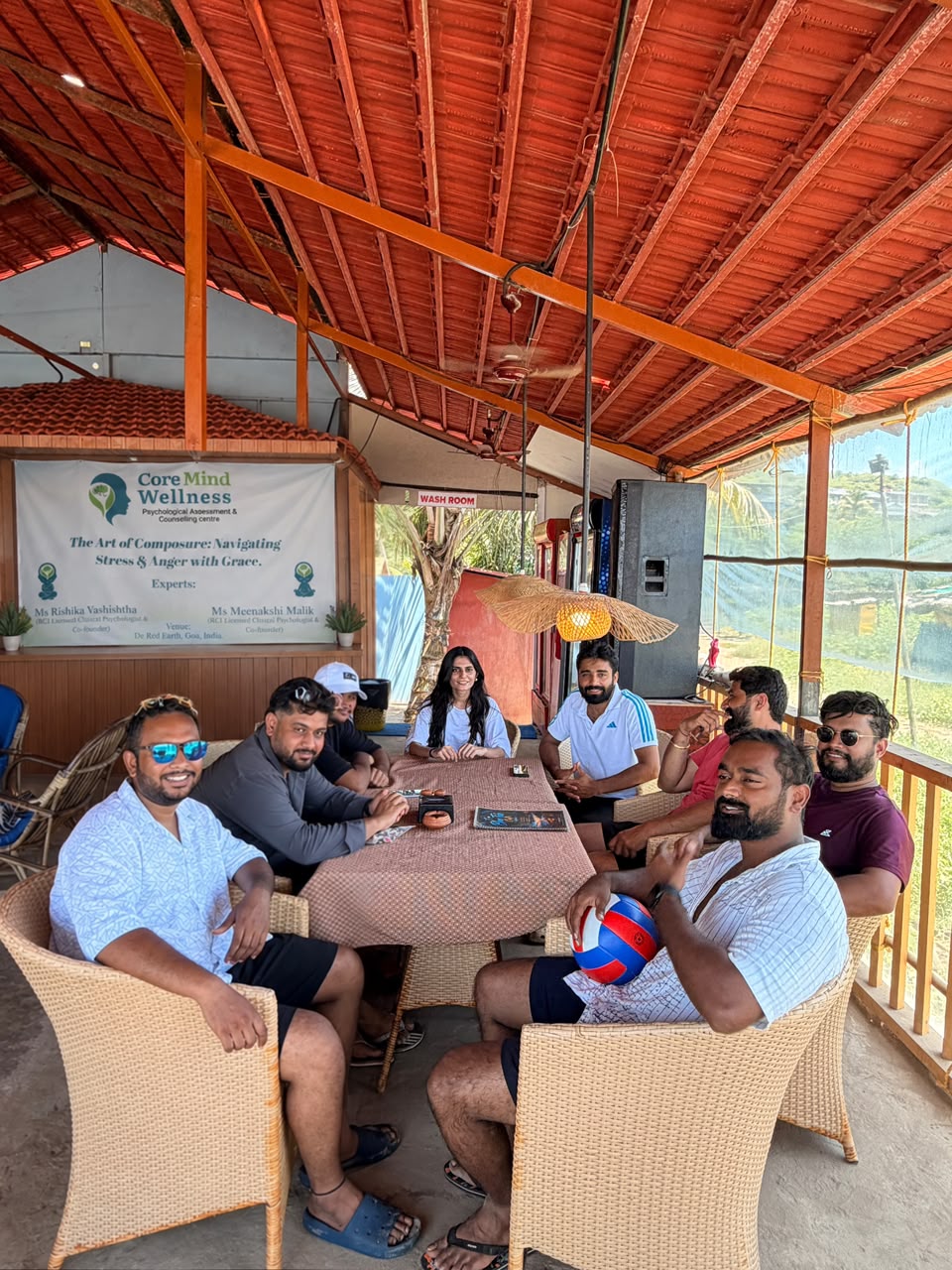
With this intention, Core Mind Wellness conducted a corporate wellness workshop in Goa on the theme “The Art of Composure: Navigating Stress & Anger with Grace.”
The workshop was facilitated by Psychologists Rishika Vashishtha and Meenakshi Malik and focused on helping participants explore emotional awareness, stress management, anger, mindfulness, and healthier ways of responding to everyday challenges.
Understanding Stress and Emotional Triggers
Stress can affect everyone differently.
For some, it may show up as frustration or irritability. For others, it may lead to difficulty concentrating, feeling overwhelmed, withdrawing from conversations, or struggling to switch off after work.
Recognising these signs is an important part of emotional awareness.
The workshop encouraged participants to look beyond the surface of stress and understand the situations, thoughts, and experiences that may trigger emotional reactions.
Instead of simply asking how to eliminate stress, the session encouraged a more reflective question:
What is my stress telling me?
Understanding our emotional triggers can help us become more conscious of our responses and identify healthier ways to deal with challenging situations.
From Reaction to Response
A key theme of the workshop was the difference between reacting and responding.
When we are stressed or angry, our first reaction can often be automatic. We may speak impulsively, become defensive, withdraw, or respond more strongly than we intended.
Creating a moment of pause can provide an opportunity to choose a different response.
That pause allows us to ask:
- What am I feeling right now?
- What triggered this emotion?
- How is my body responding?
- What do I actually need?
- How do I want to communicate?
- Will my response help resolve the situation?
Developing this awareness does not mean suppressing emotions. Instead, it means recognising emotions while becoming more intentional about how we express them.
Composure is not about having no emotions. It is about learning how to navigate them.
Creating Space for Mindfulness
The Goa workshop also provided participants with an opportunity to step away from their regular work environment and spend time reflecting on their emotional wellbeing.
The relaxed setting helped create an atmosphere for conversation, reflection, participation, and connection.
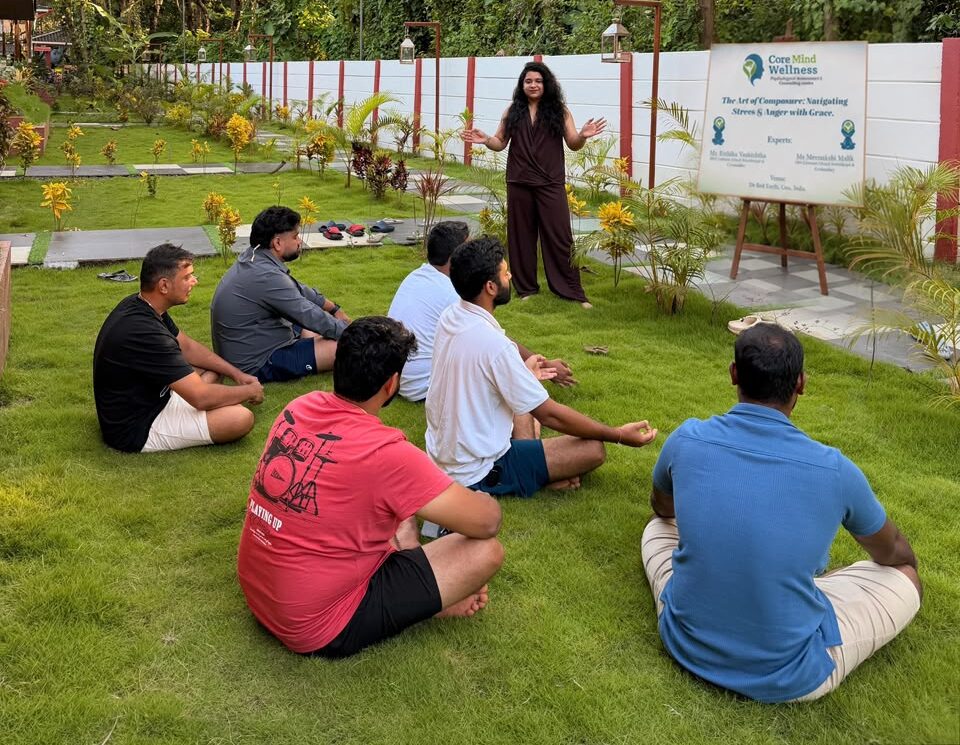
Mindfulness was explored as a practical approach to becoming more present and aware of our thoughts, emotions, and responses.
It does not necessarily require complicated practice. Sometimes, mindfulness can simply mean noticing what is happening in the present moment before immediately reacting to it.
A breath.
A pause.
A moment of awareness.
These small moments can help us approach difficult situations more consciously.
When Workplace Wellness Becomes Personal
Corporate wellness is not limited to activities designed to make employees feel relaxed for a few hours.
Meaningful workplace wellness can also encourage people to understand themselves better.
The emotional skills explored during the workshop can extend beyond professional settings. Awareness of stress, anger, communication patterns, and personal triggers can influence how we interact with colleagues, friends, family, and ourselves.
This makes conversations around mental and emotional wellbeing relevant not only to organisations, but to everyday life.
The Psychologists Behind the Workshop
The session was facilitated by Psychologists Rishika Vashishtha and Meenakshi Malik, who guided participants through conversations and activities focused on stress, anger, emotional awareness, and composure.
Psychologist Rishika Vashishtha
Rishika Vashishtha brings a psychological perspective to conversations around emotional wellbeing and self-awareness. Through her work, she contributes to creating spaces where individuals can explore their emotions, understand their experiences, and develop healthier ways of navigating everyday challenges.
Psychologist Meenakshi Malik
Meenakshi Malik brings her perspective to psychological and emotional wellness, encouraging greater awareness of how individuals experience and respond to stress and challenging emotions.
Together, Rishika Vashishtha and Meenakshi Malik facilitated an interactive experience that encouraged participants to pause, reflect, and explore practical approaches to emotional wellbeing.
Building Healthier Workplaces Through Emotional Awareness
A healthy workplace is not only about productivity.
It is also about people.
Employees bring their emotions, experiences, pressures, and personal challenges into their professional lives. Creating opportunities to talk about mental and emotional wellbeing can therefore be an important part of building a more supportive workplace culture.
Corporate wellness initiatives can provide teams with the opportunity to explore topics such as:
- Stress management
- Emotional awareness
- Anger management
- Mindfulness
- Self-awareness
- Communication
- Workplace relationships
- Emotional resilience
These conversations can encourage individuals to look at wellbeing as an ongoing practice rather than something that needs attention only when difficulties become overwhelming.
The Core Mind Wellness Approach
At Core Mind Wellness, we believe that mental wellness begins with awareness.
We cannot always control the situations we encounter. We cannot always prevent stress, frustration, or anger from arising.
But we can work towards understanding our emotional responses and developing healthier ways of navigating them.
The “Art of Composure: Navigating Stress & Anger with Grace” workshop was an opportunity to bring this philosophy into a corporate setting through meaningful conversation, reflection, and engagement.
Learning to Pause
The Goa workshop offered a simple but powerful reminder:
We may not always control what happens around us, but we can become more aware of how we respond.
Stress will be part of life.
Difficult conversations will happen.
Emotions will arise.
Composure does not mean avoiding any of these experiences.
It means learning to meet them with greater awareness.
Sometimes, the most meaningful change begins with a simple pause—before a word is spoken, before a reaction takes over, and before an emotion becomes an action.
Because the art of composure is not about suppressing emotions.
It is about navigating them with awareness, understanding, and grace.
About Core Mind Wellness
Core Mind Wellness is dedicated to supporting psychological and emotional wellbeing through psychological assessment, counselling, corporate wellness workshops, and mental health initiatives.
Through its work with individuals and organisations, Core Mind Wellness aims to create meaningful conversations around mental health and encourage healthier, more mindful approaches to everyday life.