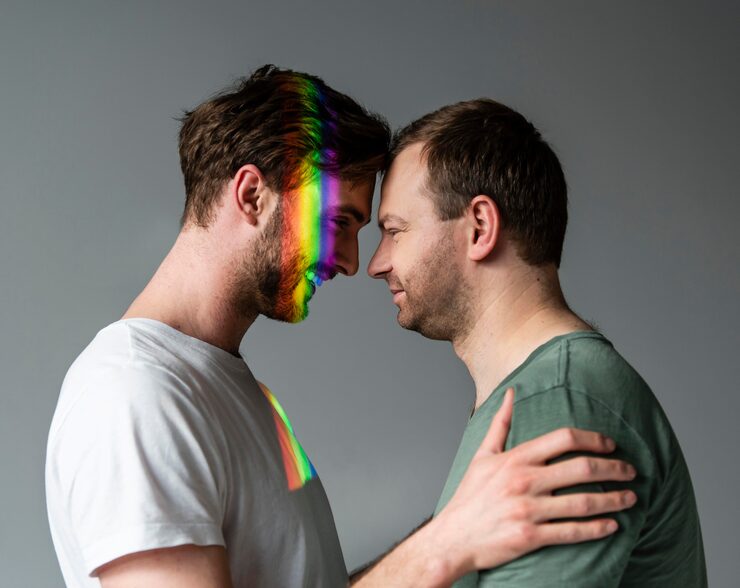
LGBTQ+ individuals face higher rates of anxiety and depression mainly because of chronic minority stress, social discrimination, family rejection, and the emotional weight of hiding or defending their identity. Global research shows that LGBTQ+ people are 2 to 3 times more likely to experience anxiety and depression than heterosexual or cisgender individuals. In India, where cultural stigma and family expectations remain strong, the mental health impact runs even deeper.
I’m Rishika Vashishtha, a Licensed Clinical Psychologist (RCI-Registered) who has worked with many LGBTQ+ clients across India. In my therapy room, I’ve seen the same patterns repeat themselves again and again – and they match what global research keeps confirming. If you’ve ever wondered why so many of your queer friends seem tired in ways that don’t quite make sense – or if you’ve felt that exhaustion yourself – this article will help you understand what’s really going on, and what genuinely helps.
If you’ve ever wondered why so many of your queer friends seem tired in ways that don’t quite make sense – or if you’ve felt that exhaustion yourself – this article will help you understand what’s really going on, and what genuinely helps.
Understanding LGBTQ+ Anxiety and Depression
Anxiety and depression are among the most common mental health conditions worldwide. But for LGBTQ+ (lesbian, gay, bisexual, transgender, queer, and questioning) individuals, the experience is rarely just personal. It is shaped by the world around them – by families, classrooms, workplaces, healthcare systems, and laws.
Studies published in the Indian Journal of Psychiatry and major reviews by the American Psychological Association consistently show that sexual and gender minorities carry a heavier mental health burden than the general population. The reasons are not biological. Being LGBTQ+ is not a mental illness, and the World Health Organization removed homosexuality from its disease classification back in 1992. The real causes are social, cultural, and systemic.
Let’s look at what actually drives these higher rates.
Why Are LGBTQ+ Anxiety and Depression Rates So High?
There isn’t one single cause. Several factors stack on top of each other, often over years. Here are the most well-documented ones.
1. Minority Stress: The Invisible Daily Weight
In 2003, psychologist Dr. Ilan Meyer introduced what’s known as the Minority Stress Model – a framework now widely accepted in clinical psychology. It explains that LGBTQ+ individuals experience two layers of stress at the same time:
- Everyday life stress – work, money, relationships, family. The same stress everyone deals with.
- Minority-specific stress – fear of being outed, discrimination, rejection, vigilance in public, and internalized stigma.
That second layer never really switches off. Picture quickly editing pronouns before a phone call with relatives. Or scanning a room before holding your partner’s hand. Or rehearsing how to say “my friend” instead of “my partner” at a work event. Most of the time nothing bad happens – but the nervous system stays on alert.
Over months and years, this chronic, low-grade stress significantly raises the risk of LGBTQ+ anxiety and depression.
2. Family Rejection and Cultural Pressure
Family acceptance is one of the strongest known protective factors for mental health, especially in young people. The problem is that many LGBTQ+ individuals, particularly in collectivist cultures like India, face rejection, silence, or pressure to “change.”
Research published in the Indian Journal of Social Psychiatry has highlighted that family rejection is among the strongest predictors of depression and suicidal thoughts in queer Indian youth. The pain isn’t just about being misunderstood. It’s about losing the people who were supposed to love you no matter what.
For many queer Indians, this also looks like:
- Being asked repeatedly when they will get married
- Being told their identity is “a phase” or “Western influence”
- Being emotionally cut off after coming out
- Being pressured into arranged marriages despite their identity
This kind of slow, ongoing emotional injury is a major driver of anxiety and depression in the LGBTQ+ community.
3. Discrimination in Schools, Workplaces, and Public Spaces
LGBTQ+ individuals often navigate environments that were never designed with them in mind. From bullying in school to subtle bias at work, the experience of being “othered” adds up.
Reports from organisations like The Humsafar Trust and The Naz Foundation have repeatedly documented workplace discrimination, verbal harassment, and the absence of legal protections for same-sex partnerships in India. Same-sex marriage is still not legally recognised, which affects everything from insurance to hospital visits to inheritance rights.
When safety feels conditional, anxiety becomes the default emotional state.
4. Lack of LGBTQ+ Affirmative Healthcare
This one is rarely talked about, but it matters a lot. Many therapists, psychiatrists, and doctors in India still lack proper training in queer-affirmative care. Some unintentionally pathologize LGBTQ+ identities. A small number – though shrinking – still attempt outdated approaches.
It’s worth noting that conversion therapy was officially banned by India’s National Medical Commission in 2022, and the Madras High Court has issued strong directives against it. But the cultural shift inside clinics is slower than the policy shift on paper.
For many queer Indians, this means therapy itself sometimes becomes a source of harm instead of healing – which is exactly why finding the right kind of LGBTQ+ affirmative therapist matters so much.
5. Internalized Stigma
When society repeatedly signals that someone is “less than,” they can slowly start to believe it. This is called internalized stigma, and it’s one of the most underestimated drivers of LGBTQ+ anxiety and depression.
It tends to show up as:
- Persistent shame about one’s identity
- A quiet belief that one is unworthy of love or success
- Hiding parts of oneself even from close friends or partners
- A self-critical inner voice that echoes things others have said
Internalized stigma often hides under the surface. People around the person may not even notice it. But it quietly shapes self-worth, relationships, and emotional well-being – sometimes for decades.
The Indian Context: Why LGBTQ+ Mental Health Carries Extra Weight
Even after Section 377 was struck down by the Supreme Court of India in 2018 – decriminalizing consensual same-sex relations – the lived reality of LGBTQ+ Indians remains complex.
Some of the unique pressures include:
- No legal marriage equality yet. The 2023 Supreme Court verdict declined to legalize same-sex marriage, leaving partners without legal recognition or rights.
- Strong family and arranged marriage culture. Many LGBTQ+ adults still face intense pressure to enter heterosexual marriages.
- Limited access in smaller cities. Pride parades in Mumbai, Delhi, Bengaluru, and Chennai are growing, but in smaller towns, queer-affirming spaces and therapists remain rare.
- A double identity is often required at work and home. This constant code-switching is mentally exhausting.
Visibility has improved. Safety has not always followed. For many, the closet still feels like the safer choice – and the cost of that choice often shows up as anxiety, depression, or quiet burnout.
Common Signs of Anxiety and Depression in LGBTQ+ Individuals
These can be easy to miss, especially when masked by busyness, productivity, or a habit of “being okay.”
- Persistent low mood, sadness, or hopelessness
- Trouble sleeping, or sleeping much more than usual
- Loss of interest in activities you once enjoyed
- Constant worry, racing thoughts, or panic episodes
- Withdrawing from friends, family, or community
- Feelings of shame, guilt, or self-hatred linked to identity
- Difficulty focusing at work or in studies
- Thoughts of self-harm or suicide
If any of these last more than two weeks, it’s worth talking to a qualified mental health professional. You don’t need to be in crisis to deserve help.

How LGBTQ+ Affirmative Therapy Helps
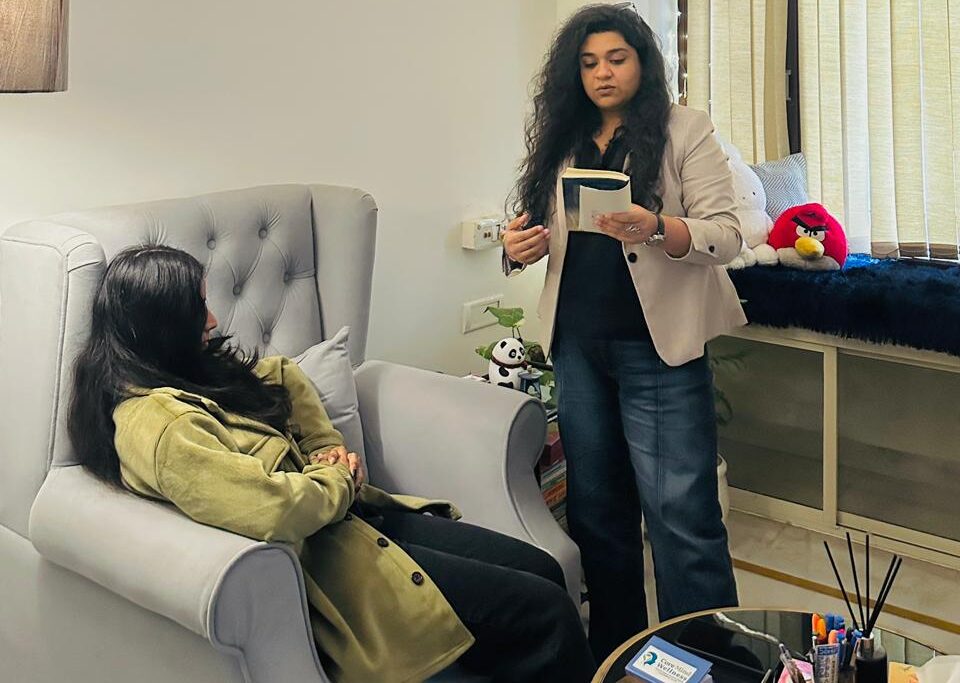
LGBTQ+ affirmative therapy does not try to “fix” who you are. It accepts and validates your identity while helping you work through anxiety, depression, relationship difficulties, family conflict, or trauma. The focus is on healing – not on changing who you love or how you identify.
At Core Mind Wellness, our RCI-registered clinical psychologists offer queer-affirmative therapy – both in-person in Gurgaon and online across India and globally. Sessions are confidential, non-judgmental, and grounded in evidence-based approaches like Cognitive Behavioural Therapy (CBT), Acceptance and Commitment Therapy (ACT), and trauma-informed care.
Affirmative therapy can help with:
- Coming-out distress and identity confusion
- Coping with family rejection or estrangement
- Managing minority stress and chronic anxiety
- Building self-esteem and identity acceptance
- Healing from past discrimination, bullying, or trauma
- Navigating relationships, dating, or breakups
- Dealing with depression, burnout, and exhaustion
The goal isn’t just symptom relief. It’s helping you build a life that finally feels like your own.
When Should You Seek Professional Help?
You don’t have to wait until things feel unbearable. Therapy works best when started early. Consider reaching out if:
- You feel emotionally drained more days than not
- Anxiety or low mood is affecting your sleep, work, or relationships
- You’re hiding parts of yourself and it’s wearing you down
- You’re navigating coming out, transitioning, or family conflict
- You’ve experienced discrimination, bullying, or trauma
- You’ve had any thoughts of self-harm or suicide
Reaching out for support isn’t weakness. It’s one of the most quietly brave things a person can do.
Final Thoughts: You Deserve Care That Sees You Fully
The reason LGBTQ+ anxiety and depression rates are higher isn’t about who LGBTQ+ people are – it’s about how the world has historically treated them. That difference matters. Because it means healing isn’t about changing yourself. It’s about finding spaces, relationships, and support that finally let you breathe.
If you’ve been carrying invisible weight – from family pressure, hidden identity, workplace stress, or just the long exhaustion of trying to be “okay” – please know that you don’t have to do it alone.
Book a confidential session with a queer-affirmativeclinical psychologist at Core Mind Wellness today – available in-person in Gurgaon and online across India and globally. Your story deserves a safe space to be heard.
FAQs About LGBTQ+ Anxiety and Depression
Q1. Why are LGBTQ+ individuals more prone to depression and anxiety?
It’s not because being LGBTQ+ is a mental illness. The higher rates come from chronic minority stress, discrimination, family rejection, and internalized stigma – all of which the American Psychological Association and the WHO have clearly recognized.
Q2. Is therapy safe for LGBTQ+ individuals in India?
Yes, with the right therapist. Look for an RCI-registered clinical psychologist who explicitly offers LGBTQ+ affirmative therapy. Avoid anyone who suggests “fixing” or “changing” your identity. Conversion therapy has been banned in India since 2022.
Q3. What exactly is LGBTQ+ affirmative therapy?
It’s a therapeutic approach that accepts and supports LGBTQ+ identities while helping with mental health concerns. The focus is on healing, identity acceptance, and managing minority stress – not on changing who you are.
Q4. Can online therapy help if I’m not out yet?
Absolutely. Online therapy offers privacy and is especially helpful for people who can’t safely visit a clinic. Sessions are confidential, and you decide how much you want to share, and when.
Q5. How do I find an LGBTQ+ friendly psychologist in India?
Look for therapists who are RCI-registered, who clearly mention LGBTQ+ affirmative care in their work, and who have experience with queer clients. It’s perfectly okay to ask in the first session about their approach to LGBTQ+ identities.
Q6. Will my parents find out if I see a therapist?
Therapy sessions are confidential. Ethical therapists are bound by professional confidentiality unless there is a serious safety concern. If you are an adult, your sessions remain private.